Skip to Main Content

2026 SECO Peer Symposium

Join us for a day of connection and education!

These educational sessions have been curated and designed to augment, not duplicate, other training opportunities previously offered in 2026. We look forward to having you join us to learn from a tremendous lineup of passionate and knowledgeable presenters.


Symposium Line Up:

8:00 – 9:00am: Registration & Coffee

9:00 – 9:15 am – Welcome & Opening Remarks

9:15 am: Opening Keynote

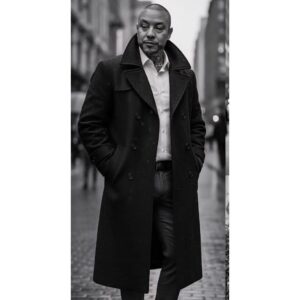
In the opening keynote, Gabe “Kuya” Charboneau, APRS, Speaker, Author, and Community Mentor, will explain that while the word “Samurai” often brings to mind the traditional archetype of the warrior, its literal translation is “to serve.” Designed for peers working on the frontlines of their fields, this session honors attendees as modern samurai—dedicated professionals in service of their communities—and equips them with the tools needed to elevate their impact.

Bio: Gabriel “Gabe ‘Kuya’” Charboneau is a community and fatherhood advocate, recognized speaker, author, and columnist, former pro athlete/coach turned APRS and founder of the Tap Out Your Doubt program. For more than 30 years, he has provided youth mentorship, fatherhood advocacy, reentry and support for veterans and their families, and helped people overcome adversity through resilience, accountability, and purpose. Drawing from his own life experiences and decades of coaching elite athletes around the world, Gabe delivers practical strategies that inspire lasting personal growth. Gabe is a proud employee of Safeside Recovery in Pueblo, where he provides a range of services.

10:15 – Breakout Session #1

Kevin Harsh, DNP, FNP-C, PMHNP-C, with Ry0n Medical & Associates will share the clinical elements of “addiction” which are important for non-clinical specialists to understand. These elements include:
1. Mental Health 101 – a brief overview of the difference between psychological and psychiatric disorders, biological versus behavioral and where the two join hands.
2. Where addiction falls within this paradigm – neurotransmitters and biologically mediated learning in action.
3. Societal confounders that make addiction hard to treat (both legal and illegal)
4. The role and intention of harm reduction and how this supports a system of recovery.

Bio: Kevin received an AAS and BSN from Otero College and the University of Phoenix, respectively. Kevin then went on to earn a Master’s and Doctoral degree in family nursing from the University of Colorado at Colorado Springs with post-doctorate psychiatric training from Liberty University in Virginia. A board-certified Family Nurse Practitioner, Kevin provides primary care services locally and has 27 years of experience in mental health and psychotropic medication management. Kevin loves his work and is passionate about helping others improve their health and wellbeing.

In behavioral health, peer support, and customer-facing services, professionals are often challenged to maintain compassion, professionalism, and consistency in the face of difficult interactions and unpredictable outcomes. In this interactive workshop, Val Clark, a CPFS with Valley Wide Health Systems, Inc. explores how leadership is not defined by authority or position, but by the way we choose to show up each day. This session encourages professionals to move beyond outcome-focused thinking and embrace a model of leadership grounded in consistency, respect, and empowerment. Attendees will leave with practical tools for strengthening professional boundaries, improving customer service and peer experiences, and creating cultures that reflect dignity, choice, and recovery-oriented values.

Bio: Val started out in the workforce just over 41 years ago. He has been a truckdriver, cook, carpenter, convenient store manager and has been a peer support professional for the past 8 years. As you might guess, Val has a strong background in customer service. In his role as a peer support professional, Val’s guiding philosophy is the fact that the word “peer” means “equal”.

11:15 – Breakout Session #2

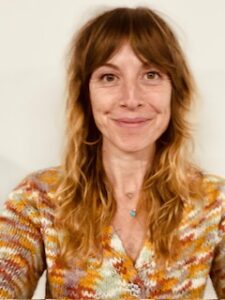
Kristin Doneski with Wild Grief Offerings will facilitate an experiential and a participatory session on grief education, resourcing and practical strategies specifically for harm reduction, direct care workers and all wild grievers. The session will include a grief tending circle space for attendees and skill sharing for those interested in offering grief practices, circles and gatherings within their own communities. As Camille Sapara Barton explains, “Grief Tending is something that should sit in community rather than hidden or solely medicalized in therapeutic settings. I hope that we can learn to practice together, re-remember our ancestral ways and create new pathways to navigate our grief together.”

Bio: Kristin Doneski (she/her) is a lifelong student of liberatory harm reduction who has had the honor of learning from, working alongside and being part of communities of people who use drugs in the UK, San Francisco, Massachusetts, Maine and Colorado. She is a devoted grief tender and believes deeply in the transformative power and activism in co-creating grief circles, collective altars and offering grief education within communities of people who use drugs, people experiencing incarceration and direct care workers for the pursuit of individual and collective healing justice and self-preservation. She has studied grief and death work through the Buddhist Peace Fellowship, Reframe Health Justice Virtual Grief Cohort and is currently in her last year of an MA program in Mindfulness Based Transpersonal Counseling at Naropa University.

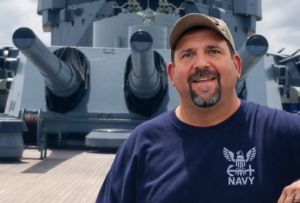
Bradley Roe, CPFS, is a US Navy Veteran serving as a Veteran Outreach Specialist for Valley-Wide Health Systems, Inc. In this session, Bradley will present on strategies to effectively connect and communicate with individuals part of the veteran community. Special attention will be paid to the unique nuances of communicating with veterans using trauma-informed, culturally responsive approaches that promote trust, safety and meaningful engagement.

Bio: Brad Roe is a United States Navy Veteran and the Veteran Outreach Specialist at Valley-Wide Health Systems, Inc. in the upper and lower Arkansas Valley and the San Luis Valley. Brad is passionate about working with Veteran Service Organizations and the community to connect Veterans with other Veterans, resources and programs that will help raise awareness about Veteran issues.

12:05 – Networking Lunch

1:10 – Breakout Session #3

Rachel Fowler, the Director of Training and Development for Serenity Recovery Connections will explore what ethical leadership truly means, the role of values and integrity, and how trust is built and sustained within teams and organizations. This is truly an ethical leadership training designed for today’s peer-supporters working in community leadership settings.

Bio: Rachel Fowler is a person in recovery from substance use disorder, trauma, and anxiety. She began her recovery journey in 1999 when she was impacted by the criminal justice system. Since that time, she has ventured down many diverse pathways on the road to healing.

Grounded in ethics and personal history, peer advocacy spans everything from one-on-one support to large-scale systemic advocacy. Join Racquel Garcia, NCPRSS and CEO of HardBeauty, to examine how peers can safely and effectively leverage their lived experience to advocate for individuals, influence broader recovery landscapes, and champion ethical practices across the field.

Bio: Racquel Garcia is the Executive Director of the HardBeauty Foundation and a nationally recognized recovery advocate, peer leader, and community builder. Drawing from her own lived experience in long-term recovery, she has dedicated her career to expanding peer support, strengthening recovery-focused systems, and ensuring people and families receive compassionate care during their most difficult moments. Racquel also serves as Chairwoman of Colorado’s Behavioral Health Administration Advisory Council and is appointed by the Attorney General to the Colorado Opioid Abatement Council.

2:15 – Plenary Panel Discussion

Join a dynamic panel of regional experts as they explore what it means to be a peer both within and beyond the workplace. Through candid discussion, panelists will examine the ethical considerations, unique challenges, and self-care practices that shape peer support work and sustain those who do it.

Moderator: Jim Kuemmerle

Featured Panelists:  Robert Haywood-James, Jeff Richardson, Kristi Roe, Ruth Scullion, and Kat Serrato

Robert Haywood-James, CPFS, QBHA, is the founder of & lead consultant for Humaniticares, LLC.

Jeff Richardson, CPFS, is a Substance Use Disorder Program Assistant with Otero County Health Department and a Peer Support Specialist serving individuals in recovery throughout Southeast Colorado. Drawing from both professional experience and long-term personal recovery, he is passionate about helping people build hope, resilience, and meaningful lives in recovery. His work focuses on peer support, recovery advocacy, community collaboration, and expanding access to behavioral health services in rural communities. Jeff has been involved in developing innovative recovery initiatives and strengthening partnerships that improve outcomes for individuals and families. He is honored to share practical strategies and real-world experiences that support ethical, effective, and person-centered peer support.

Kristi Roe, CPFS, is the Advocacy Manager for Valley-Wide Health Systems, Inc, where she has helped grow and develop peer support services across multiple locations. Since 2014, Kristi has focused on building welcoming, recovery-centered peer programs that support individuals and families as they navigate services, strengthen connection, and protect individual rights.
In her current role, Kristi provides clinical and administrative supervision to peer specialists, serves as a mentor, and helps peers recognize their unique gifts while developing the skills needed to serve others with hope, respect, and integrity. She has been instrumental in expanding peer services and community-based recovery resources. As a guide and mentor, she creates a supportive environment that encourages peers to problem solve, prioritize self-care, and uphold strong ethical standards. Kristi is passionate about creating warm, welcoming spaces where people feel supported, valued, and empowered along their recovery journey.

Ruth Scullion is the Co-Executive Director with Blue Skies United and has been working in the field of harm reduction and peer services since the late 1990s. Originally from Philadelphia, Ruth moved to rural New Mexico over 6 years ago. In that time Ruth worked for a couple of behavioral health agencies as a certified peer worker, and as a licensed substance abuse associate counselor. In these roles she saw the gaps effecting her high-risk clients and joined with Zachary Shapiro to create Blue Skies United to address these shortfalls in service for people who use drugs and those experiencing homelessness.

Kat Serrato, CPFS, RCPF, QHBA, is the Assistant Operations Manager and Peer Support Supervisor
at Keep Trinidad Safe, where she works to support individuals and families affected by substance use, mental health challenges, homelessness, and justice-system involvement. Drawing from both professional experience and lived experience in recovery, she is passionate about reducing stigma, connecting people to resources, and building stronger communities. Kat has helped hundreds of individuals access recovery support, treatment, and essential services throughout Southern Colorado. She is dedicated to fostering hope, empowering others, and creating lasting positive change through compassionate, peer-centered care.
3:05 – Peer Recognition Awards

3:20 – Closing Keynote

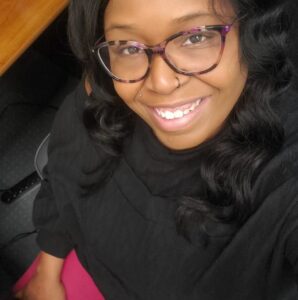
Crystal Dickerson with Crossroads’ Turning Points, Inc. will highlight how recovery transforms more than just the individual—it reshapes the entire family landscape. This closing keynote explores compassionate, practical ways to support individuals and families navigating the complex process of reunification. We will address the profound psychological effects of parent-child separation during treatment, strategies for managing structural lifestyle changes, and what to do when family time alone isn’t enough to heal deep wounds. Attendees will gain actionable insight into fostering lasting success, rebuilding trust, and effectively walking alongside families every step of the way toward sustainable recovery.

Bio: Crystal Dickerson